How to Protect Your Clothing During the Monsoon Season

The monsoon season brings welcome relief from scorching summer temperatures, but it also creates unique challenges for maintaining clothing. Increased humidity, unexpected rain showers, damp environments, and limited sunlight can all affect the condition of your wardrobe. Clothes can develop unpleasant odors, lose their freshness, attract mildew, or become damaged if not cared for properly during this time.
For women who invest in quality fashion pieces, protecting garments during the rainy season becomes essential. Whether you own elegant dresses, stylish shirts, comfortable co-ord sets, tunics, or everyday tops, proper care can significantly extend the lifespan of your wardrobe.
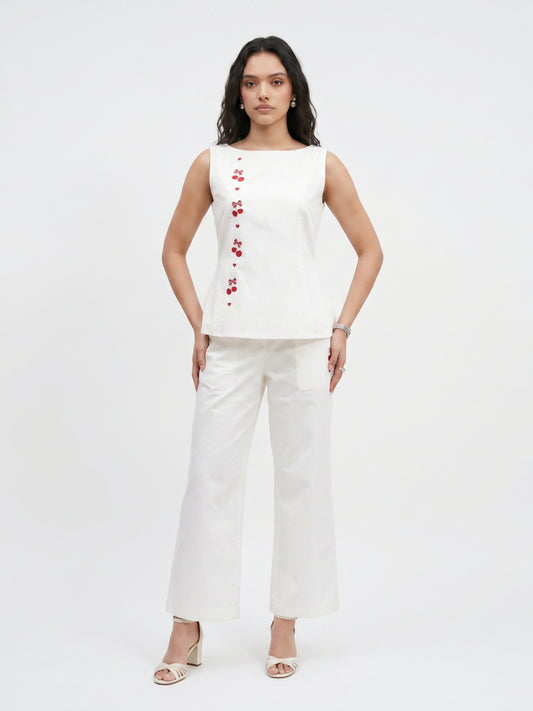
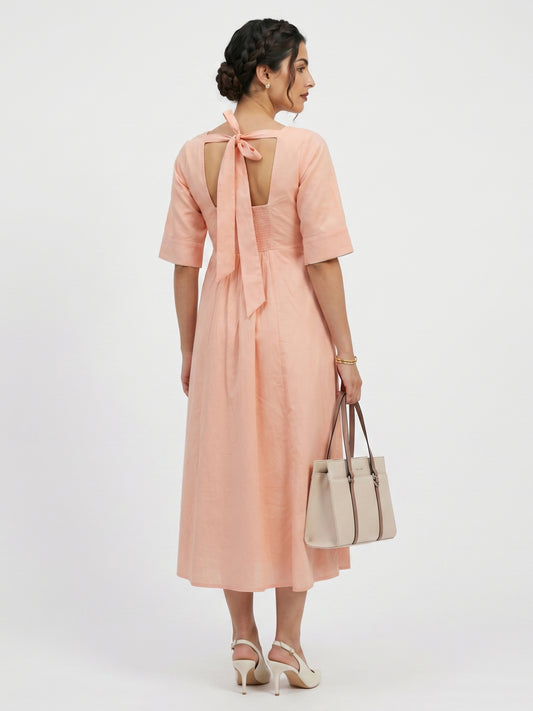
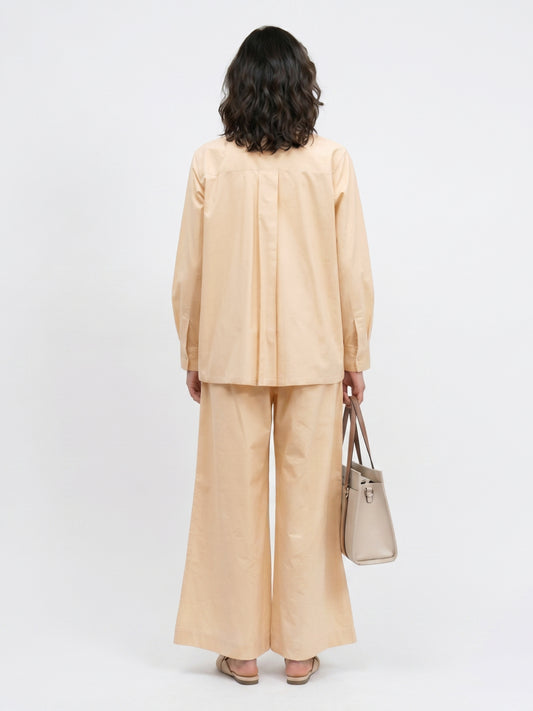
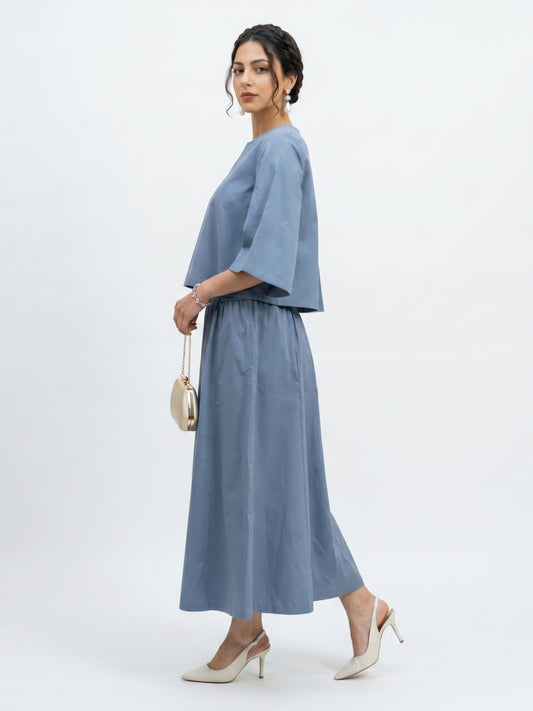
At the same time, selecting the right monsoon outfits for women can make dressing during the rainy season easier and more comfortable. Understanding how to maintain fabrics and store clothing correctly helps ensure your favorite outfits remain fresh, stylish, and ready to wear throughout the season.
This guide explores practical ways to protect your clothing during the monsoon season while maintaining both style and garment quality.
Why Monsoon Weather Can Damage Clothing
Monsoon weather creates conditions that can be difficult for fabrics.
Common challenges include:
- Excess humidity
- Damp storage spaces
- Reduced sunlight exposure
- Slow drying times
- Mold and mildew growth
- Fabric discoloration
- Unpleasant odors
When clothes remain damp for extended periods, bacteria and fungi can develop, leading to fabric deterioration. Even expensive garments can lose their appearance if they are not properly maintained during the rainy season.
Understanding these risks is the first step toward protecting your wardrobe.
Monsoon Outfits for Women: Choosing the Right Fabrics
The foundation of monsoon dressing starts with selecting appropriate fabrics.
Certain materials perform better during humid conditions because they dry faster and allow better airflow.
Cotton Blends
Cotton blends remain popular because they are breathable and comfortable. They help reduce discomfort during humid weather while remaining easy to maintain.
Lightweight Fabrics
Lightweight materials dry more quickly after exposure to moisture and are practical for everyday wear.
Breathable Textures
Breathable fabrics improve airflow and help reduce sweat accumulation during humid conditions.
Easy-Care Materials
Garments that require minimal maintenance are often ideal during the rainy season because they remain practical for frequent wear.
Choosing suitable fabrics helps women create monsoon outfits for women that feel comfortable while staying fresh throughout the day.
Wash Clothes Promptly After Exposure to Rain
One of the most important clothing care practices during monsoon is avoiding delays in washing damp garments.
Rainwater often contains dust, pollutants, and environmental impurities that can settle into fabric fibers.
After returning home:
- Remove wet clothing immediately
- Avoid leaving damp garments in laundry baskets
- Wash clothes as soon as possible
- Allow complete drying before storage
Prompt care helps prevent odors and fabric damage.
Never Store Damp Clothing
Many clothing problems begin when garments are stored before they are completely dry.
Even slight moisture trapped inside fabrics can encourage mildew growth.
Before storing clothes:
- Check collars and cuffs carefully
- Ensure pockets are dry
- Allow garments to air completely
- Avoid folding damp fabrics
This simple habit can significantly improve wardrobe longevity during the rainy season.
Keep Your Wardrobe Well Ventilated
Closets and wardrobes can become humid during monsoon months.
Poor airflow often leads to:
- Musty smells
- Fabric discoloration
- Mold growth
- Dampness accumulation
To improve ventilation:
- Open wardrobe doors periodically
- Allow fresh air circulation
- Avoid overcrowding storage areas
- Organize garments with adequate spacing
A well-ventilated wardrobe helps preserve monsoon women's clothing and everyday fashion essentials.
How Humidity Affects Different Types of Clothing
Different garments react differently to moisture.
Dresses
Dresses often contain delicate detailing and require proper drying to maintain shape and appearance.
Shirts
Shirts should be hung properly after washing to prevent wrinkles and moisture retention.
Tunics
Breathable tunics generally perform well during humid weather but still require complete drying before storage.
Co-Ord Sets
Matching sets should be stored together in dry conditions to maintain their appearance.
Tops
Lightweight tops for women dry faster but can still develop odors if stored improperly.
Understanding garment-specific needs improves clothing care throughout the monsoon season.
Protect Clothes from Mold and Mildew
Mold is one of the biggest threats to clothing during rainy weather.
Signs of mildew include:
- Musty odors
- Dark spots
- Fabric discoloration
- Persistent damp smell
To prevent mold:
- Keep wardrobes dry
- Avoid storing wet garments
- Use moisture-control solutions
- Allow regular air circulation
Preventive care is much easier than trying to restore damaged clothing later.
Why Proper Drying Matters During Monsoon
Drying clothes properly becomes more difficult during rainy weather.
Without adequate drying:
- Fabrics may retain moisture
- Odors can develop
- Bacteria can multiply
- Clothing lifespan may decrease
Effective drying practices include:
- Hanging garments individually
- Maximizing airflow
- Using covered drying spaces
- Rotating garments regularly
Proper drying helps maintain the quality of monsoon outfits for women throughout the season.
Monsoon Women's Clothing and Smart Storage Practices
Storage plays a critical role in protecting garments during humid weather.
A well-organized wardrobe minimizes moisture-related problems and keeps clothing fresh.
Separate Frequently Worn Items
Everyday garments should be stored in accessible locations with proper airflow.
Avoid Overcrowding
Crowded wardrobes restrict air circulation and increase humidity buildup.
Rotate Seasonal Clothing
Regularly rotating clothing helps prevent garments from remaining unused in damp conditions.
Store Special Pieces Carefully
Occasion wear and premium garments should receive additional attention during monsoon months.
Following these practices helps maintain monsoon women's clothing in excellent condition.
Choosing Colors That Work Well During Monsoon
Color selection can also influence monsoon dressing.
Many women prefer:
- Soft neutrals
- Earthy shades
- Deeper tones
- Practical everyday colors
These shades often remain versatile while requiring less maintenance than extremely light colors during rainy weather.
Color choices also help create stylish seasonal wardrobes that remain practical throughout the season.
Avoid Common Monsoon Clothing Mistakes
Many clothing issues arise from simple mistakes.
Ignoring Moisture
Even slightly damp garments can create long-term wardrobe problems.
Delaying Laundry
Wet clothes should not remain unattended for long periods.
Overcrowding Closets
Poor storage increases humidity and restricts airflow.
Wearing Heavy Fabrics
Heavy materials may remain damp longer and feel uncomfortable during humid weather.
Neglecting Fabric Care Labels
Following care instructions helps preserve garment quality.
Avoiding these mistakes improves wardrobe maintenance significantly.
Building a Monsoon-Friendly Wardrobe
Creating a practical rainy-season wardrobe involves selecting pieces that combine comfort and durability.
Consider including:
- Breathable dresses
- Relaxed shirts for women
- Comfortable tunics
- Lightweight tops
- Versatile co-ord sets
A thoughtfully planned wardrobe makes monsoon dressing easier while reducing maintenance concerns.
This approach also supports practical monsoon outfits for women that work across various occasions.
How to Keep Clothes Smelling Fresh
One common challenge during monsoon is maintaining freshness.
Helpful practices include:
- Washing garments promptly
- Allowing proper drying
- Improving wardrobe ventilation
- Avoiding moisture buildup
Fresh-smelling clothing contributes to a more pleasant dressing experience throughout the season.
Caring for Fashion Investments During Rainy Weather
Quality garments deserve additional attention during humid months.
Proper maintenance helps:
- Preserve fabric quality
- Maintain garment structure
- Extend clothing lifespan
- Protect wardrobe investments
Women who follow consistent clothing care practices often enjoy longer-lasting wardrobes and better-looking garments.
Why Fabric Quality Matters During Monsoon
High-quality fabrics generally perform better when exposed to seasonal challenges.
Benefits include:
- Improved durability
- Better shape retention
- Enhanced comfort
- Longer lifespan
Choosing quality clothing and caring for it properly creates a wardrobe that remains stylish throughout the year.
This is especially important when building collections of monsoon women's clothing that need to withstand frequent use.
Everyday Habits That Protect Your Clothing
Small daily habits often make the biggest difference.
Useful practices include:
- Hanging clothes immediately after wear
- Avoiding moisture accumulation
- Maintaining wardrobe organization
- Inspecting garments regularly
- Following care instructions
Consistency helps protect clothing more effectively than occasional deep maintenance.
Dressing Comfortably During the Rainy Season
Monsoon fashion should balance comfort, practicality, and style.
Women increasingly seek outfits that:
- feel breathable
- dry relatively quickly
- remain comfortable throughout the day
- support versatile styling
This growing preference has influenced how designers approach monsoon outfits for women today.
Modern rainy-season fashion focuses on wearability as much as appearance.
Seen Unseen Creates Fashion Designed for Everyday Comfort
Seen Unseen focuses on creating thoughtfully designed women's fashion that combines comfort, versatility, and timeless style. The brand offers dresses, shirts, tops, tunics, and co-ord sets that support effortless everyday dressing while maintaining a refined aesthetic.
Through breathable silhouettes, wearable designs, and attention to quality, Seen Unseen creates pieces that fit seamlessly into modern wardrobes across different seasons. Whether you're looking for relaxed everyday outfits or versatile fashion essentials, the brand emphasizes comfort-driven style that remains practical throughout the year.
Conclusion
Protecting clothing during the monsoon season requires a combination of smart fabric choices, proper storage, consistent maintenance, and practical wardrobe habits. Humidity, moisture, and limited drying conditions can affect garments significantly, but the right care routine helps preserve both appearance and durability.
From selecting breathable fabrics to maintaining wardrobe ventilation and avoiding common storage mistakes, every step contributes to extending the life of your clothing. Creating functional monsoon outfits for women and maintaining quality monsoon women's clothing becomes much easier when garment care is prioritized.
With thoughtful clothing maintenance and smart seasonal dressing, women can enjoy a fresh, stylish, and well-preserved wardrobe throughout the rainy season.
Frequently Asked Questions
1. How can I protect my clothes during the monsoon season?
Keep clothes completely dry before storage, maintain wardrobe ventilation, and wash damp garments promptly.
2. Which fabrics are best for monsoon weather?
Breathable and lightweight fabrics generally perform best because they dry faster and remain comfortable.
3. How do I prevent clothes from smelling during monsoon?
Proper drying, good airflow, and avoiding moisture buildup help keep clothes fresh.
4. Why does mold develop on clothing during rainy weather?
Humidity and trapped moisture create conditions that encourage mold and mildew growth.
5. How should I store clothes during the monsoon season?
Store garments in clean, dry, and well-ventilated wardrobes with sufficient spacing between items.